
Making multi-stakeholder projects
understood — and moving.
Project communication design through concept diagrams, key visuals, and websites
For projects with many stakeholders, we organize each party's goals and make the project's essential value visible. Through concept diagrams, key visuals, and website production, we support communication design that builds understanding, invites participation, and keeps the project moving forward.
Many of today's most important projects — startup support, industry–academia–government collaboration, regional revitalization — are driven by multi-stakeholder cooperation between governments, universities, companies, founders, students, and local players.
But when people with different goals and backgrounds come together, jumping straight into a website or a brochure tends to produce hollow messaging. Before anything gets made, there are essential questions to face.
Across many complex projects, Kachinode has untangled these questions and turned hard-to-see value and relationships into words and form.
The output is not limited to websites and landing pages. Concept diagrams that show the whole picture, key visuals that align recognition, communication platforms that keep the work moving — we design whichever touchpoint best sets the project's value in motion.
What we support, and where.
Upstream design
- Clarifying project goals
- Mapping stakeholder relationships
- Articulating ways to get involved
- Concept design
- Information architecture & content planning
Creative development
- Concept & framework diagrams
- Key visuals
- Logo & visual identity
Digital implementation & operations
- Website & landing-page design and production
- CMS development
- Hosting & maintenance
- Communication platform design
Early-stage confusion when people with different contexts gather
Projects that bring together multiple organizations and individuals face a structural problem: however socially valuable the work, that value rarely travels — outside the project, or even inside it.
Hosts, participants, supporters, companies, universities, governments — each position carries its own goals, constraints, and expectations. When a project launches before these contexts are organized, its essential value and overall shape blur, and communication starts to fail in patterns like these:
Hollow external messaging
The core of what should be communicated becomes blurred.
Weakening pull
Prospective participants never see why they should join — the “way in” is left unclear.
Internal misalignment
Communication between stakeholders stalls, draining the project’s momentum.
Knowledge that evaporates
Outcomes and processes are never stored as assets that feed the next step.
Before building visuals or a website, the project's goals and relationships have to be organized with precision.
Before deciding what to make, find the right answer for the situation
There is no single correct answer for communicating startup support or regional projects. What each project needs shifts with its phase and its problems.
When awareness and participation come first
The project needs websites and landing pages that make it feel personally relevant, with clear benefits and clear calls to action.
When internal alignment comes first
Before communicating outward, internal recognition has to be aligned. This calls for a concept diagram that captures the whole project on a single sheet, or a key visual that embodies its philosophy.
In highly specialized fields (universities, research institutes)
Cutting-edge research and dense context must be translated into words and visuals that non-specialist stakeholders can grasp intuitively.
The common, essential challenge: before fixing the final output, organize the project's value, goals, relationships, and audience correctly — then choose the right medium of expression.
Five approaches that turn value into words and moving touchpoints
Kachinode works from a deep understanding of each project's goals and situation, supporting through the following steps.
Break down each stakeholder’s goals
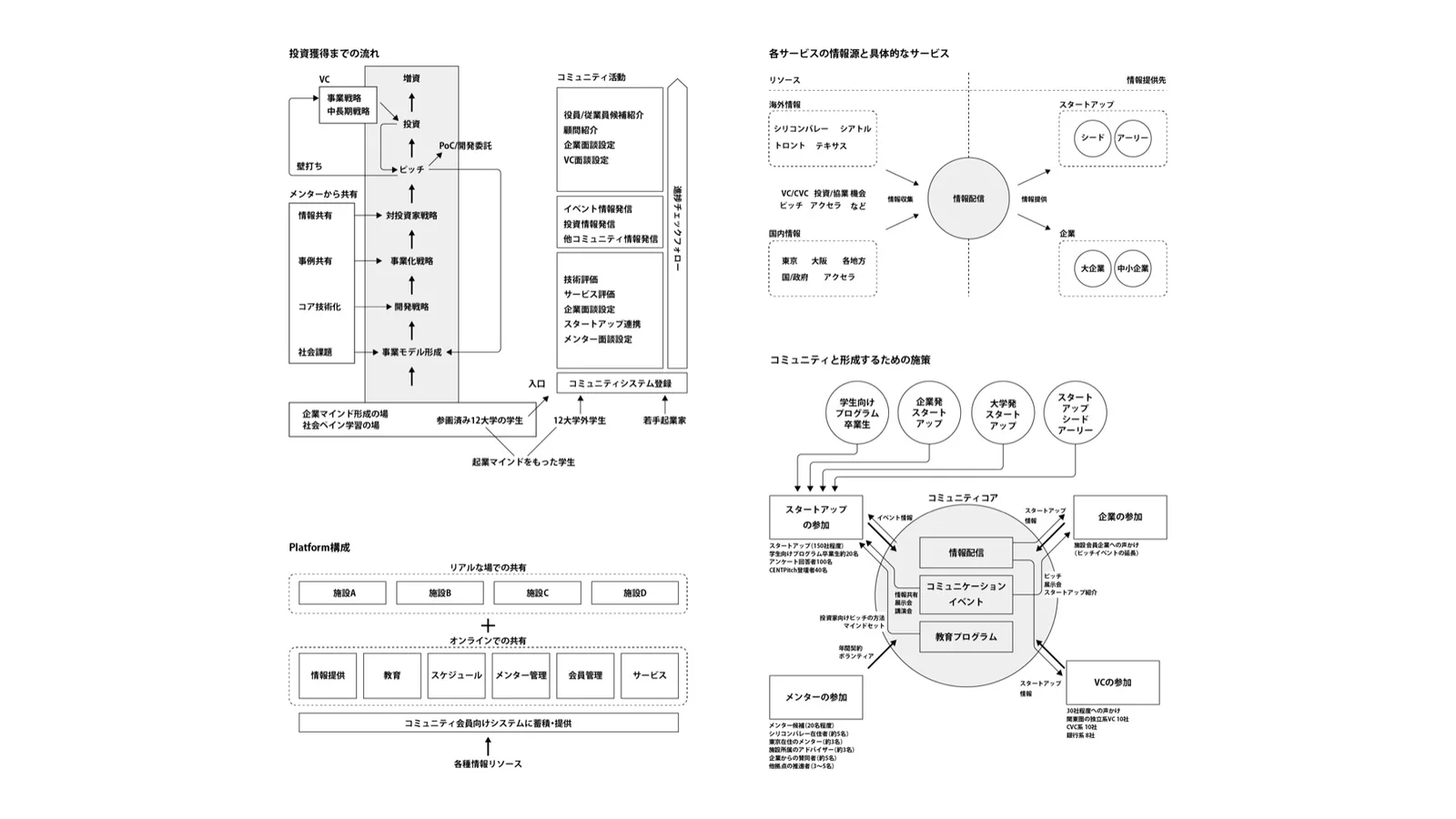
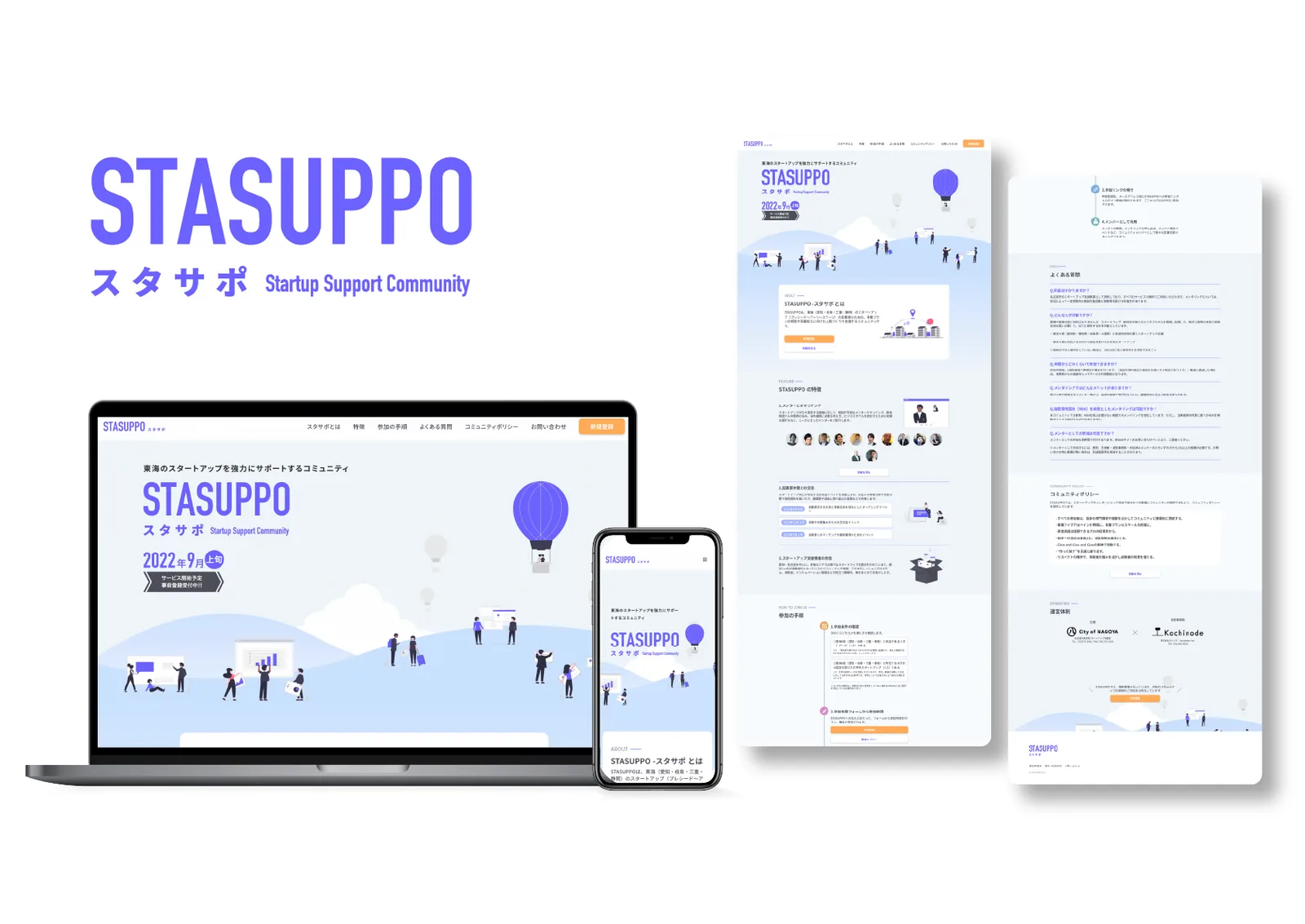
We start by mapping the goals of every organization and person involved: the host’s vision, participants’ expectations, partner companies’ interests, the impact on the local community. Untangling these carefully clarifies the common goal the project should aim for. For a regional startup-community project, for example, we visualized the activities and resources needed to accelerate startup growth, defined the roles and actions of founders, students, VCs, and companies, and mapped the functions the community required.
Articulate the “way in” for outside participants
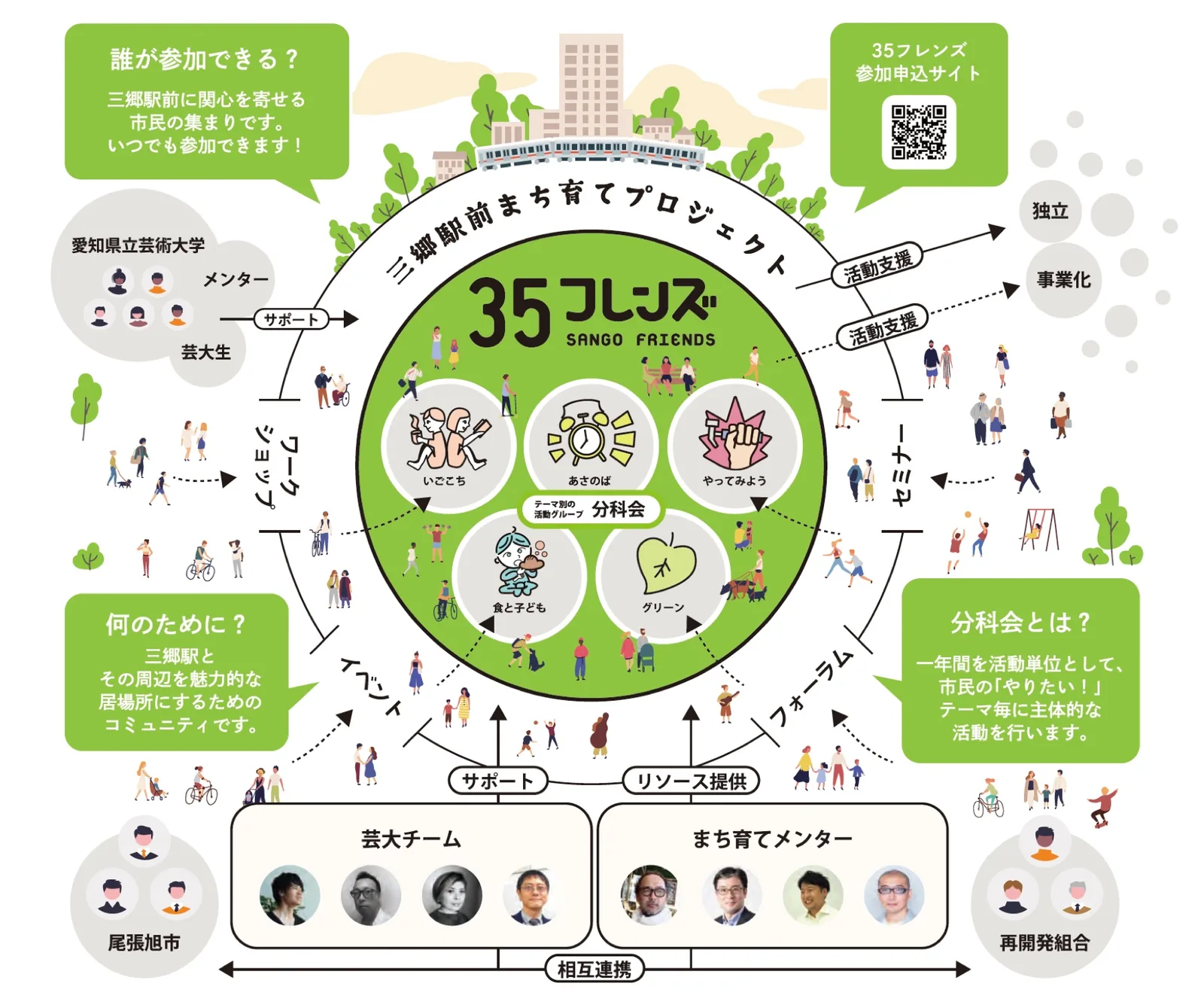
We spell out — at high resolution — who we want involved, and how. In a community project, presenting a distinct opening for citizens, students, experts, and local government draws out proactive commitment from outside.
Work backwards from the goal to choose the right output
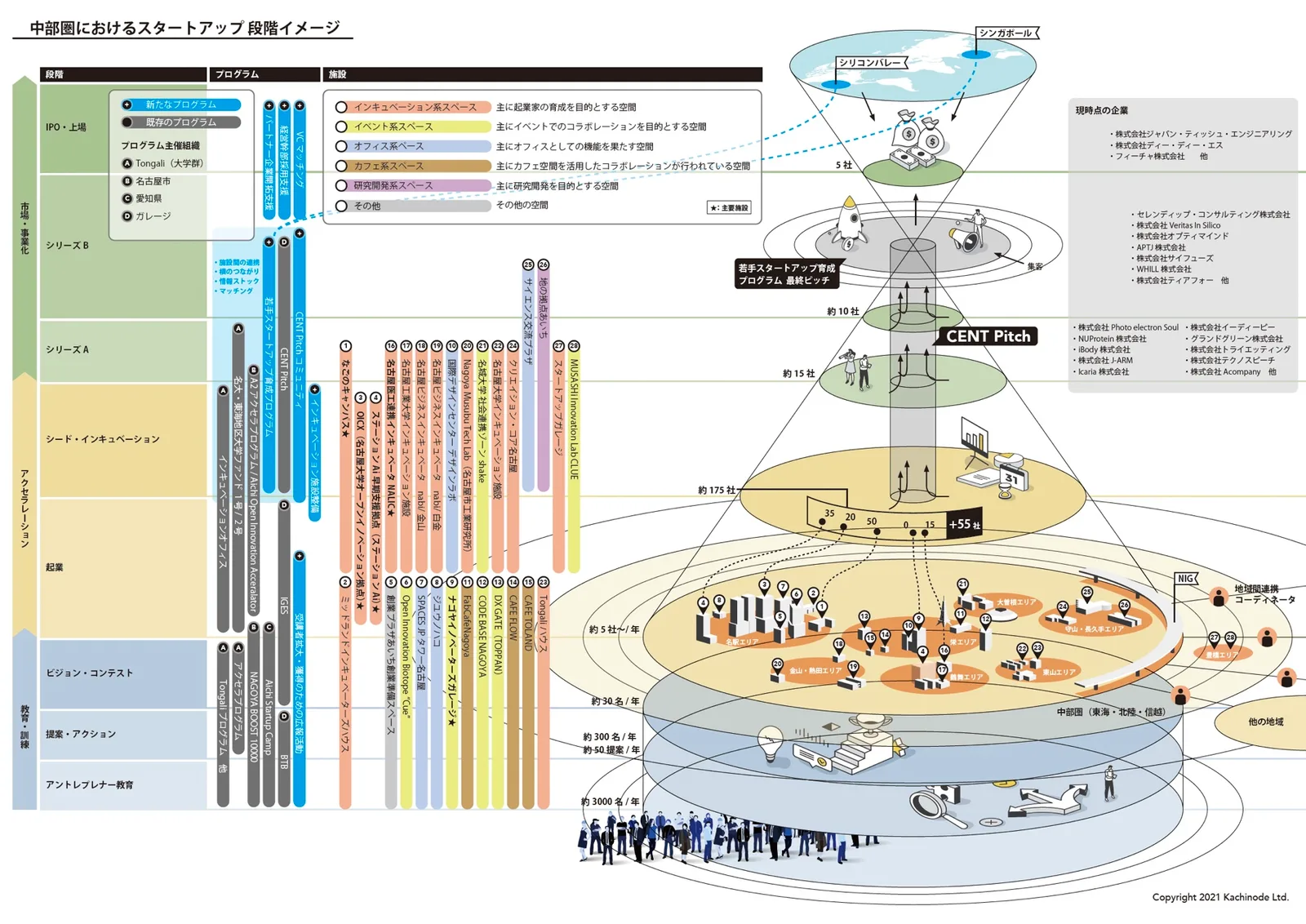
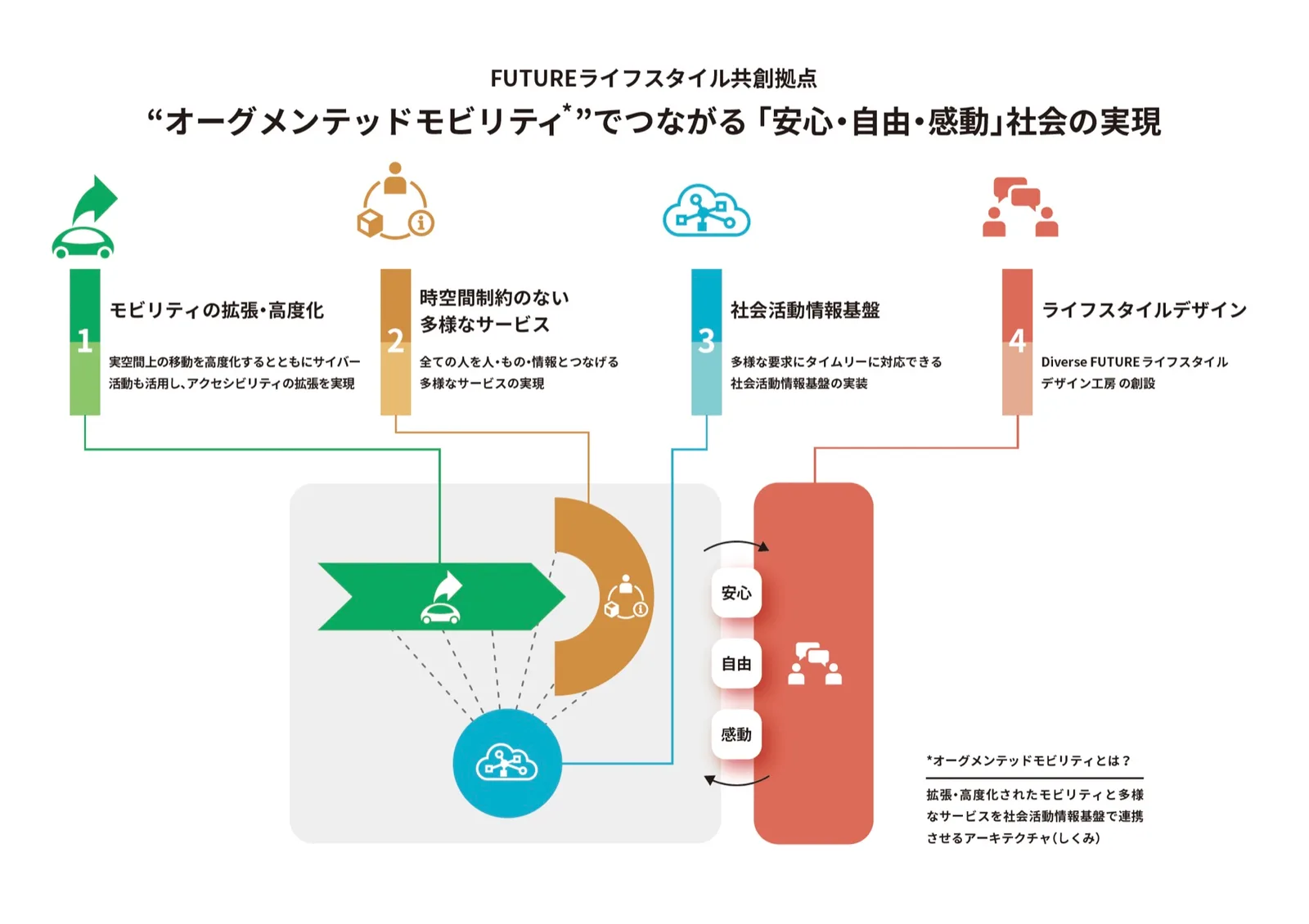
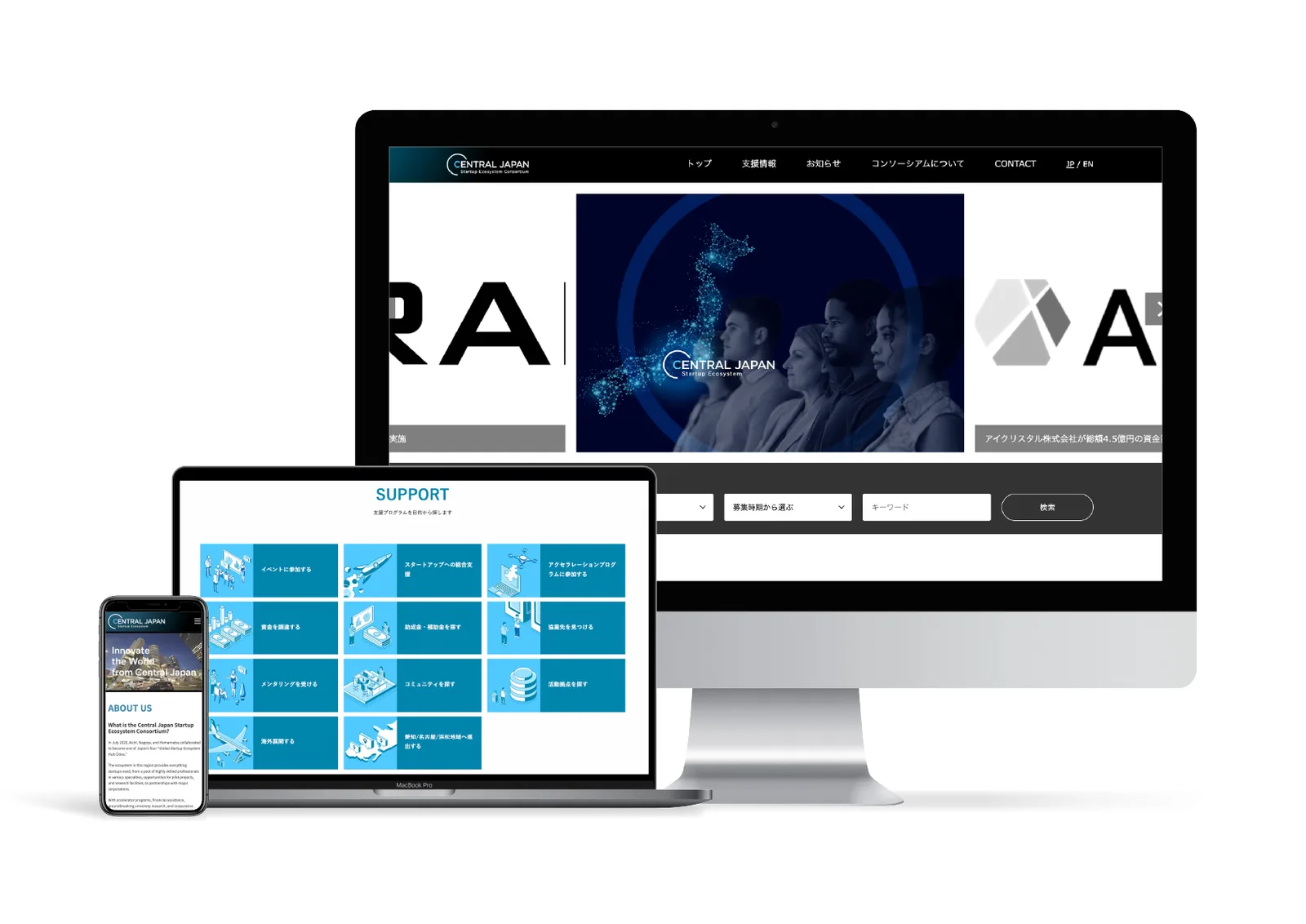
Rather than “just build a website,” we design the output that leads most directly to the goal. In wide-area or highly specialized projects, internal alignment and a shared big picture must come before external communication. We translate complex systems and ecosystems into infographics and concept diagrams so every stakeholder sees the same landscape.
Implementation as a touchpoint balancing public trust and warmth
We turn the organized concepts and structures into the digital touchpoints users actually reach. Projects involving government and support agencies need public credibility and an approachable, inviting tone; R&D startups need boldness and persuasiveness. We deliver creative with the tone and worldview precisely tuned to each audience.
A communication platform that keeps evolving
Launch is the start, not the finish. Participant recruitment, event reports, results, next year’s edition — the information keeps updating. We provide sustainable operations matched to each team and scale: CMS builds on STUDIO or WordPress, hosting, and ongoing maintenance.
What we have made
Concrete deliverables from Kachinode's communication-design work.
- Project concept diagrams / concept documents
- Logo / visual identity
- Company profiles / sales materials
- Official websites / program sites
- Event landing pages / community recruitment pages
- Report & information hubs
- Web applications
- Custom CMS (update platforms)
- Hosting support & maintenance
Deliverables become a common language that generates the next action
Our goal is never just a polished website or a beautiful visual. Through the creative work, we aim to bring about changes like these for everyone involved:
Inside(stakeholders)
Everyone understands each other’s goals and roles, and moves in step around a single concept diagram.
Outside(audience)
People can judge intuitively why the project matters to them — and act on it.
Management(organizers)
The social value of the work can be explained logically, and day-to-day outcomes accumulate as assets for the next year and the next opportunity.
Once a project's goals and relationships are organized, websites and concept diagrams stop being mere deliverables — they start working as practical communication tools that accelerate understanding, participation, and collaboration.
Not what to make —
but why, and who it should move
In a multi-stakeholder project, value rarely lies around in an easy-to-read form. It hides at the not-yet-worded boundaries where each organization's goals, expectations, constraints, and contexts intersect.
Kachinode's role is to find that unseen value, give it language, organize the relationships around it, and convert it into touchpoints that move people.
Whether that is a website, a single concept diagram, or a communication platform — what matters is not what to make, but why, and who it should move.
Designing the touchpoint where value moves most powerfully, for each purpose. That is what we call Communication Systems.